Moldova strengthens climate policy planning with SEI’s Climate Neutrality Tool
News
How can Moldova reduce greenhouse gas emissions while supporting economic development? What investments would different pathways require, and how could they affect jobs, industry, and households?
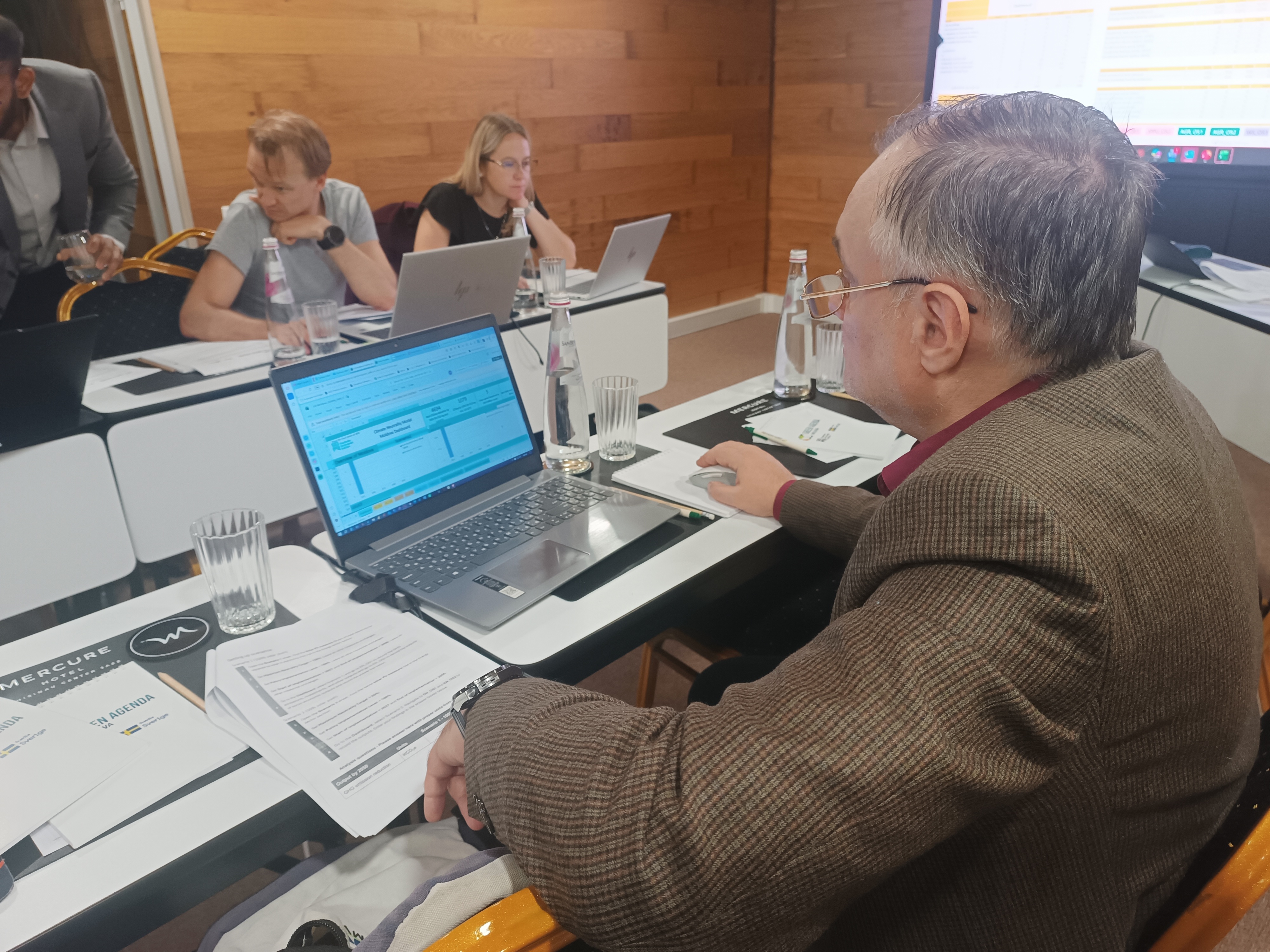
These questions guided a hands-on workshop introducing the Climate Neutrality Tool (CNT), developed by the Stockholm Environment Institute (SEI) under the Green Agenda for Armenia, Moldova and Ukraine project, funded by the Swedish International Development Cooperation Agency (Sida).
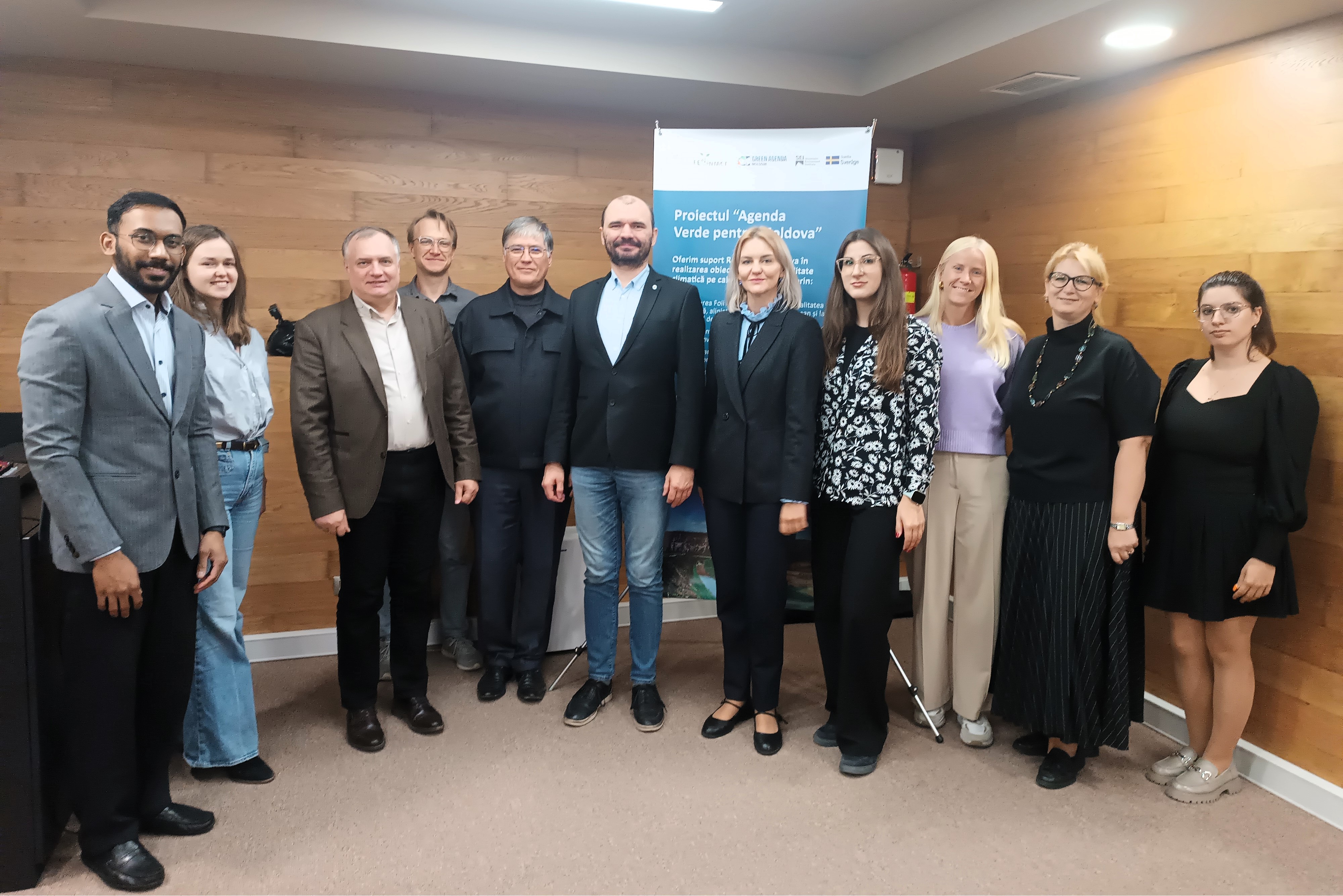
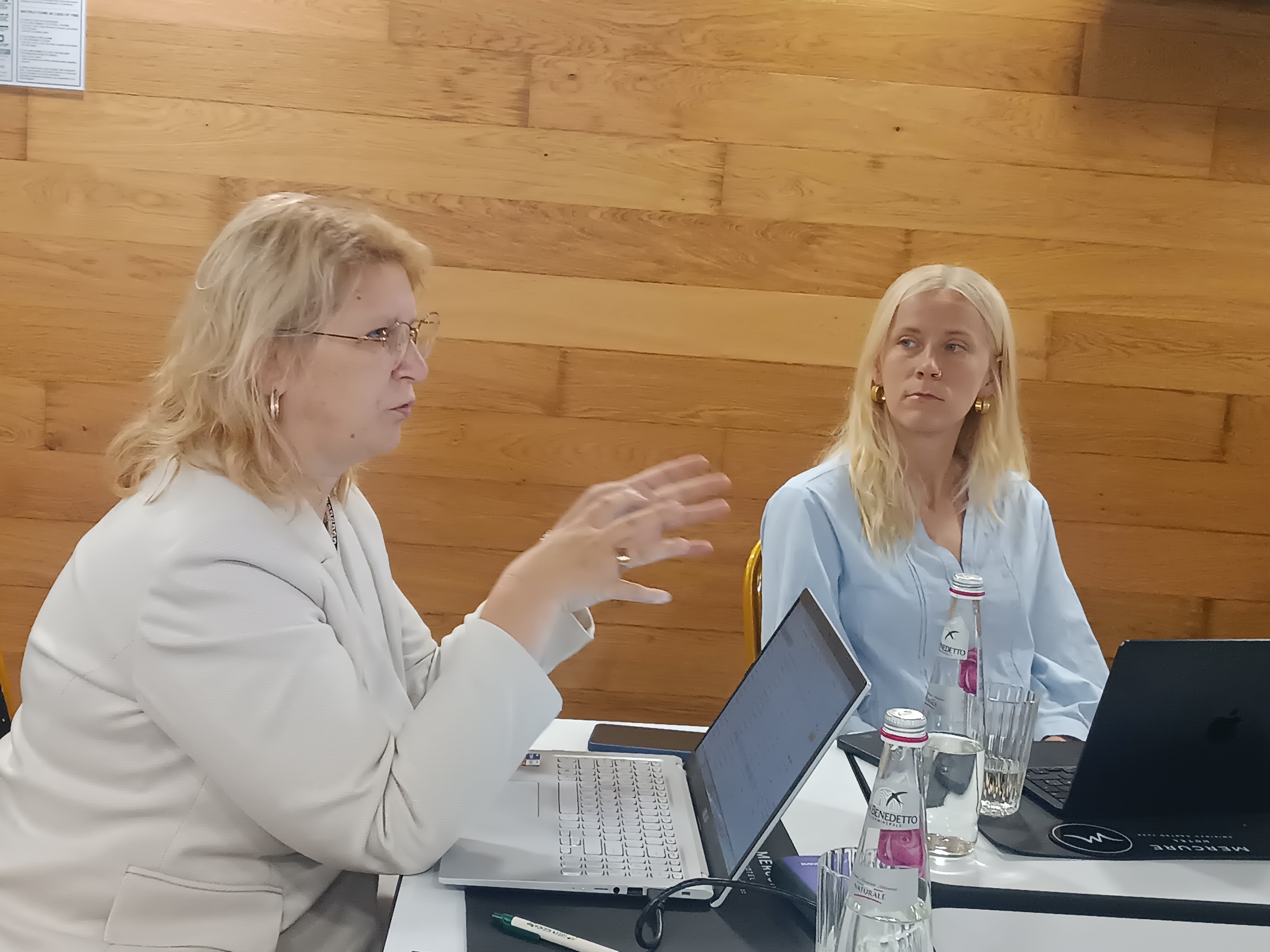
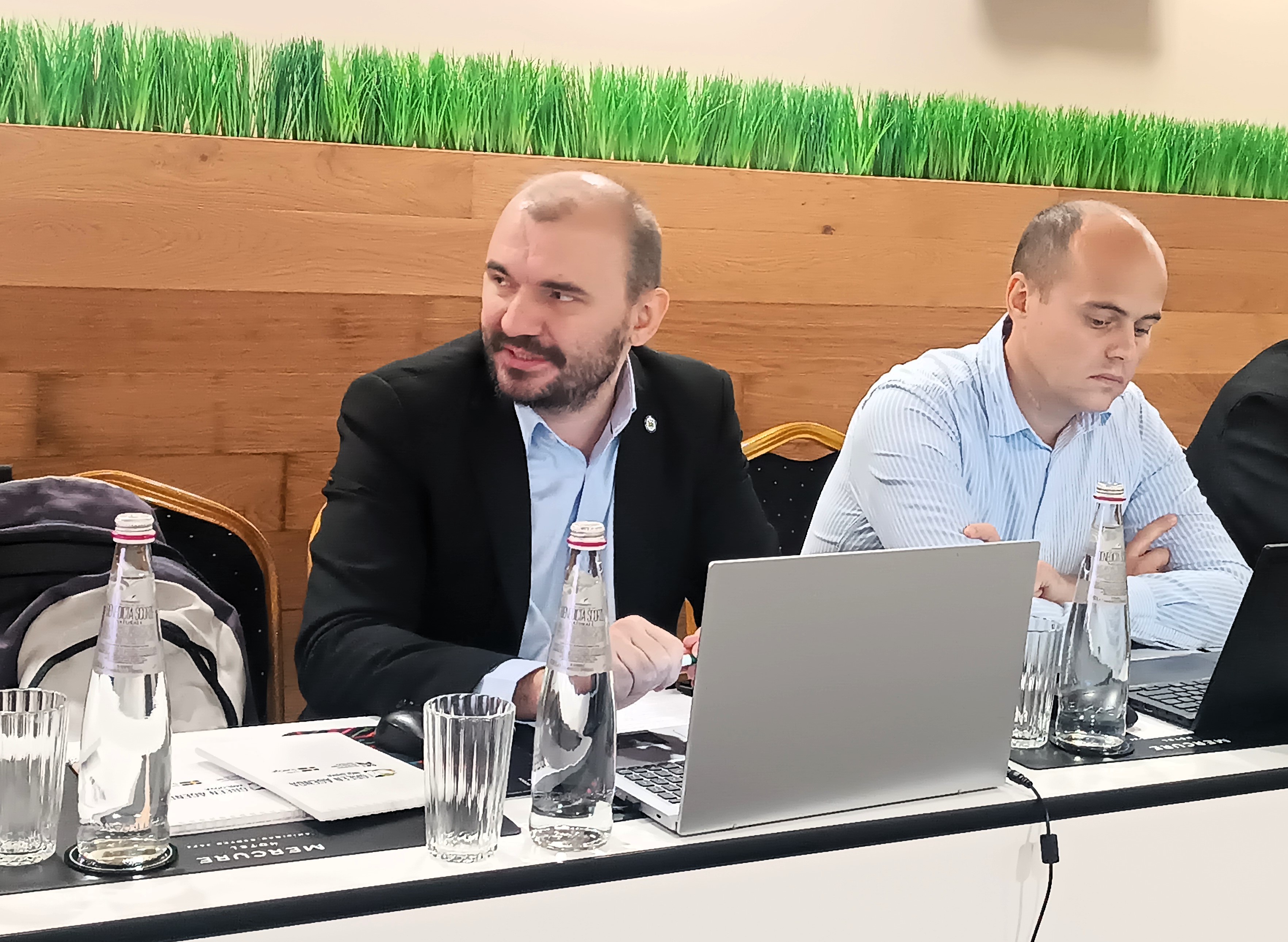
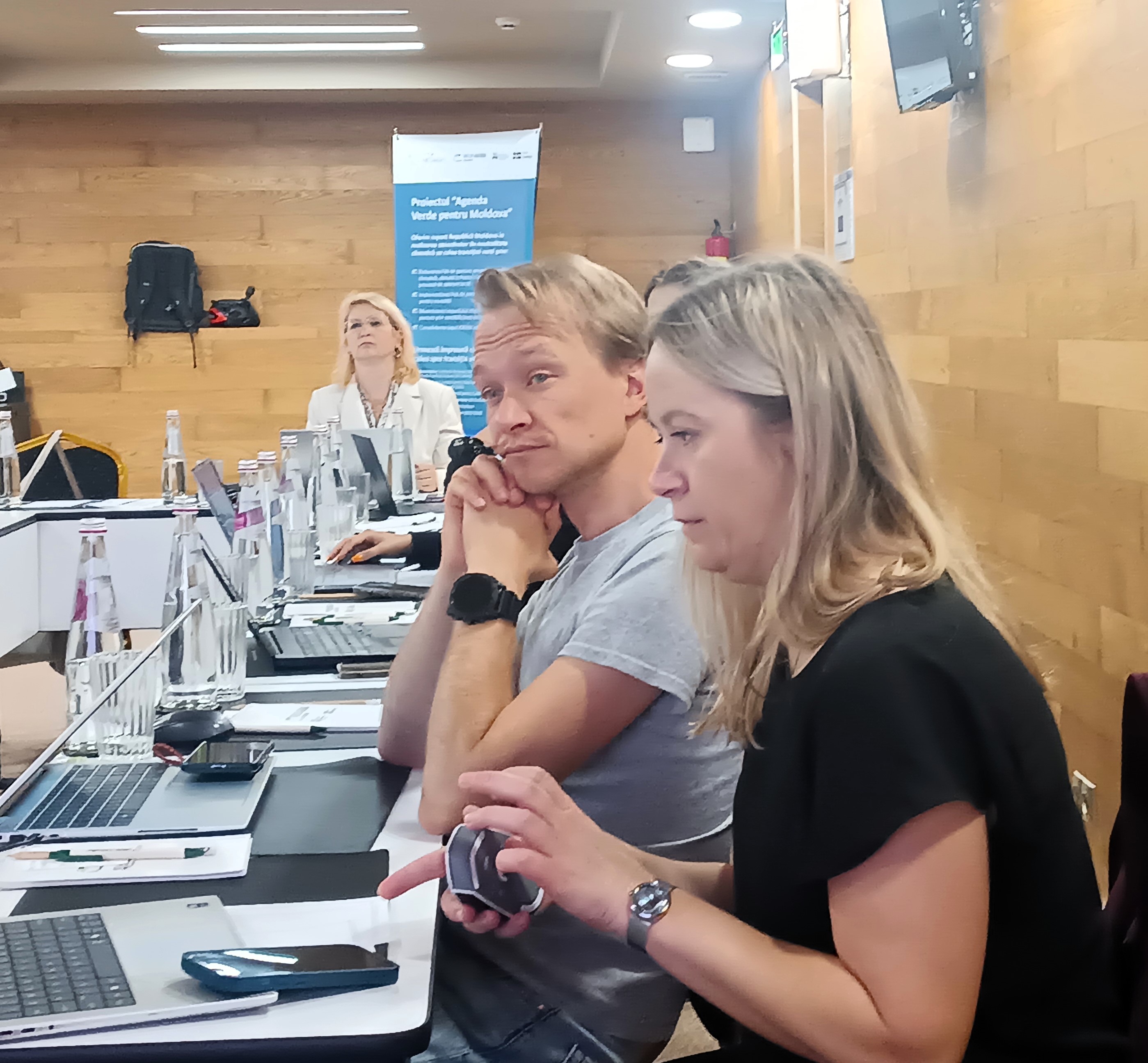
Representatives from Moldova’s Ministry of Energy, National Centre for Sustainable Energy, Environmental Agency and the UNDP Moldova, joined the training to explore how the tool can support national climate and energy planning.
The CNT is designed to help policymakers assess decarbonisation pathways and make informed decisions about the country’s green transition.
The workshop builds on cooperation between SEI and Moldova’s Ministry of Energy, formalised through a memorandum of understanding covering energy planning, system analysis and security of electricity supply.
Connecting climate ambition with economic choices
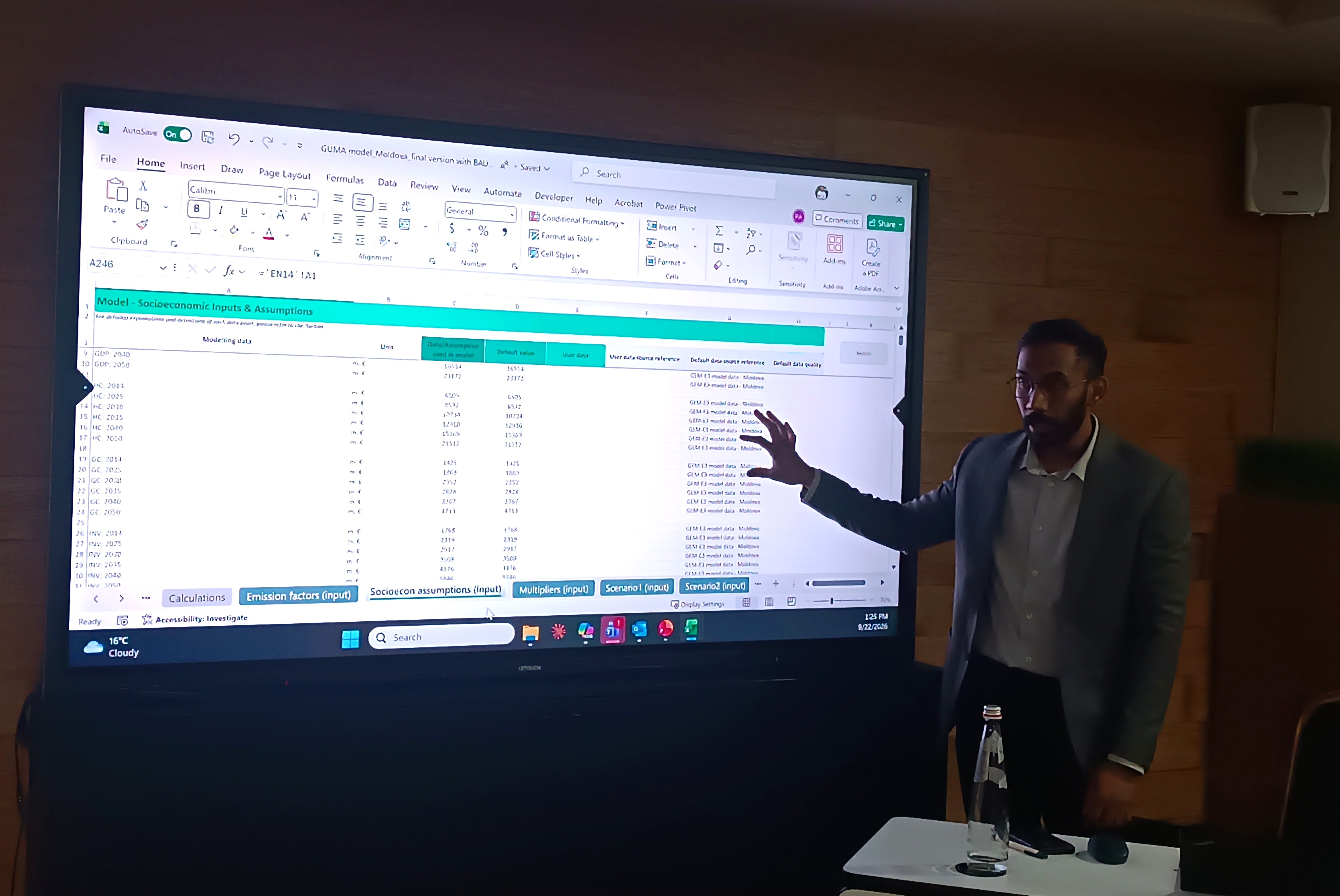
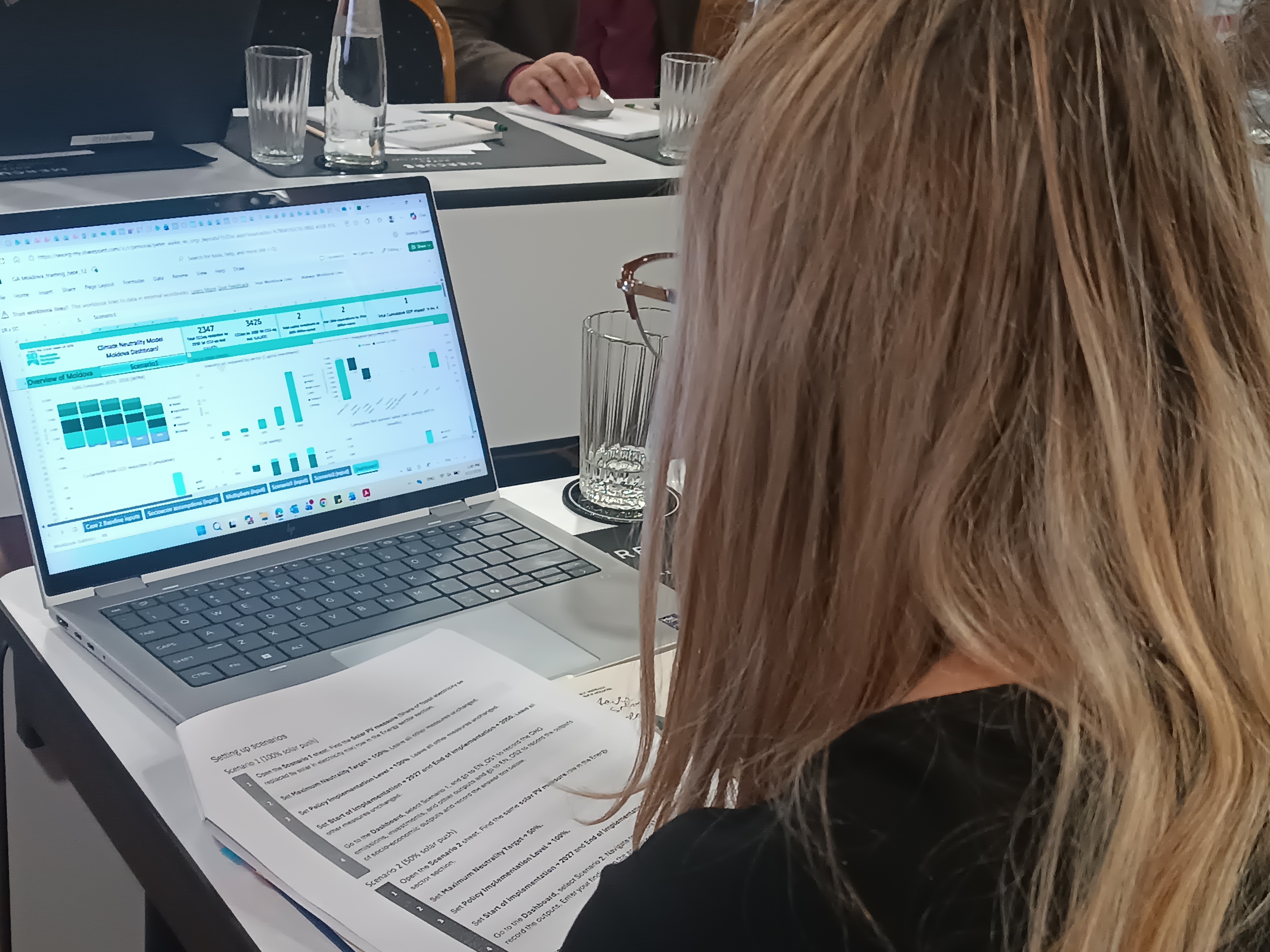
The CNT is an Excel-based tool that allows users to explore climate policy options without requiring extensive specialist modelling skills. It combines estimates of emissions reductions and investment requirements with analysis of potential socioeconomic impacts, including changes in GDP, employment, foreign trade balance and household purchasing power.
Gowtham Muthukumaran, Energy System Modelling Expert at SEI, explained that the tool was developed to make this analysis accessible to policymakers, enabling them to assess mitigation measures and their wider implications.
The version developed for Moldova includes approximately 49 mitigation measures across energy, buildings, transport, industry, agriculture, land use and waste. Users can develop and compare up to three scenarios through 2050, adjusting policy targets, implementation timelines and underlying assumptions.
By bringing these dimensions together, the tool helps users examine not only how much a measure could reduce emissions, but also what it could cost and what broader benefits it might deliver.
“These socio-economic tools provide us with a big picture of how Moldova can achieve a green transition, while enabling us to assess key economic indicators such as GDP growth, investment needs, and job creation,” said Oleg Frunze, Principal Consultant at the Ministry of Energy of the Republic of Moldova.
From policy targets to practical scenarios
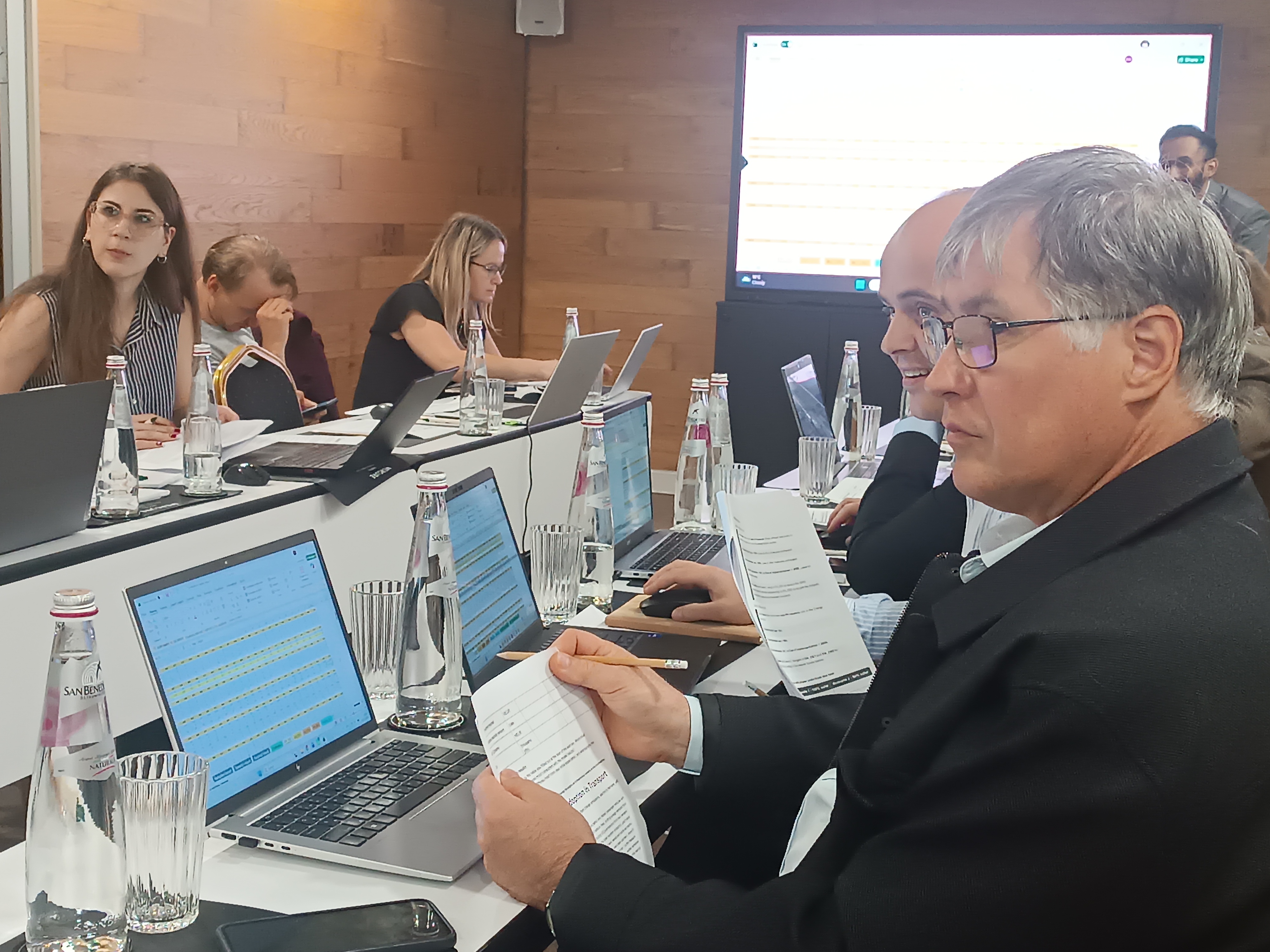
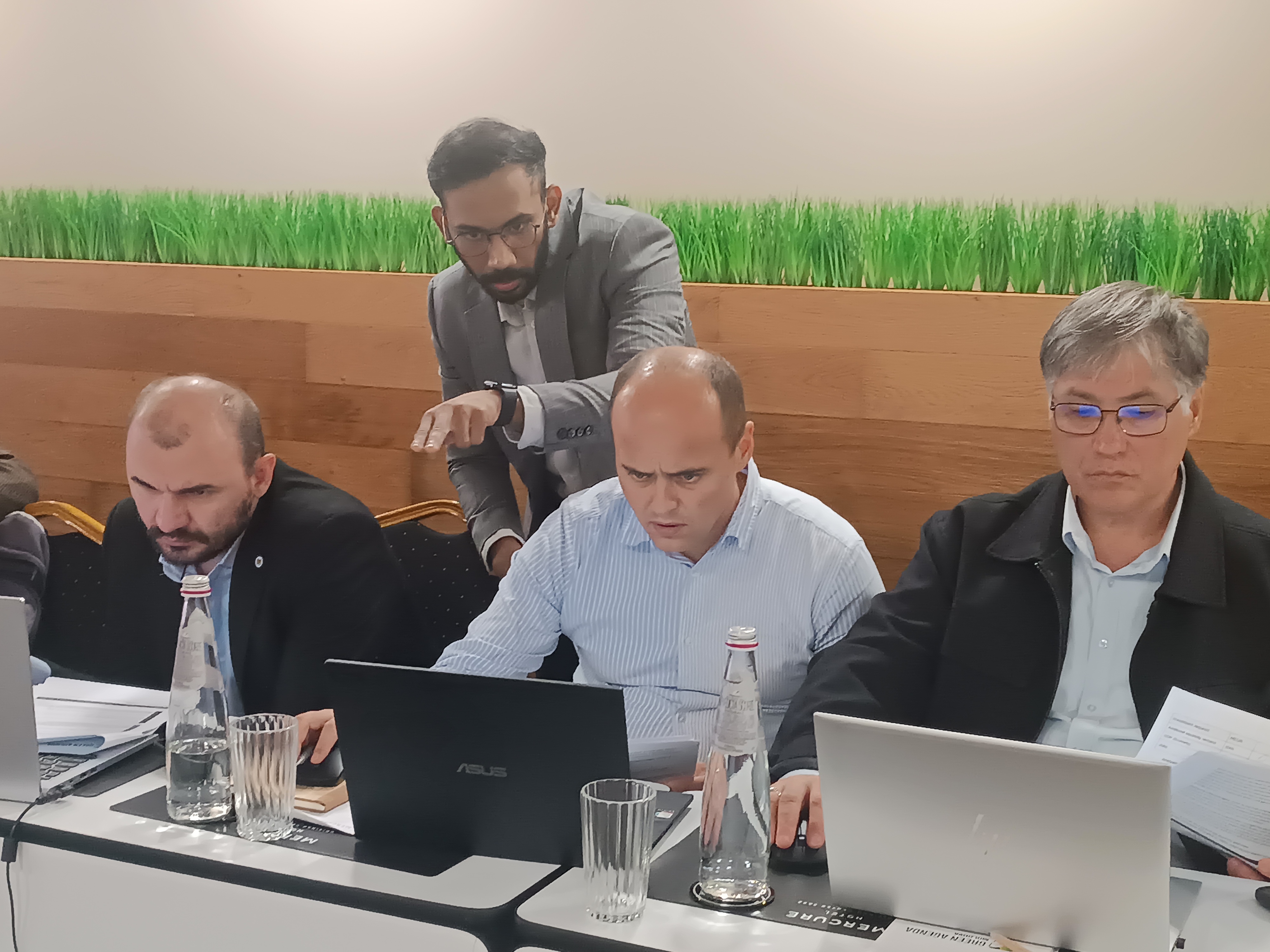
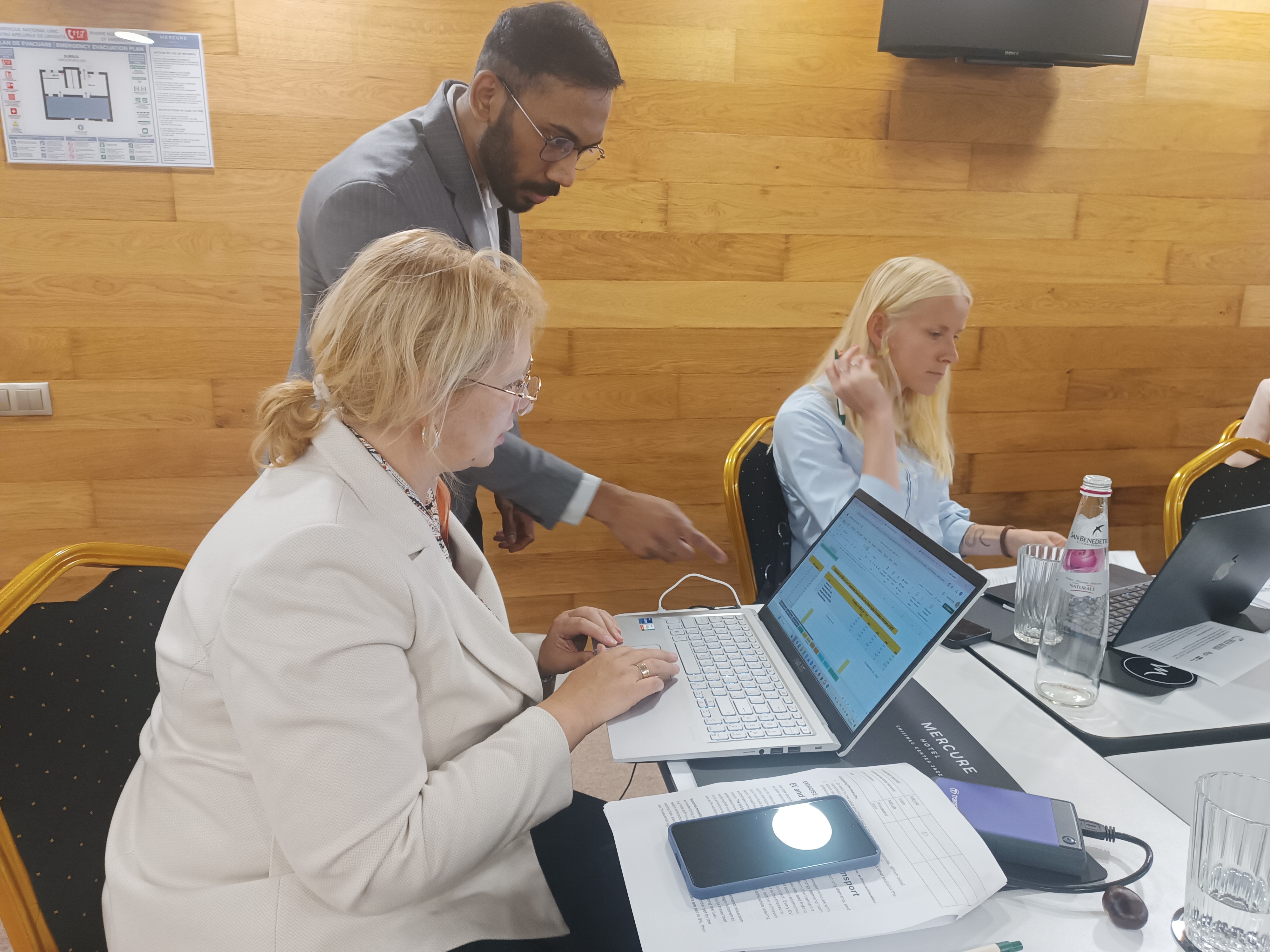
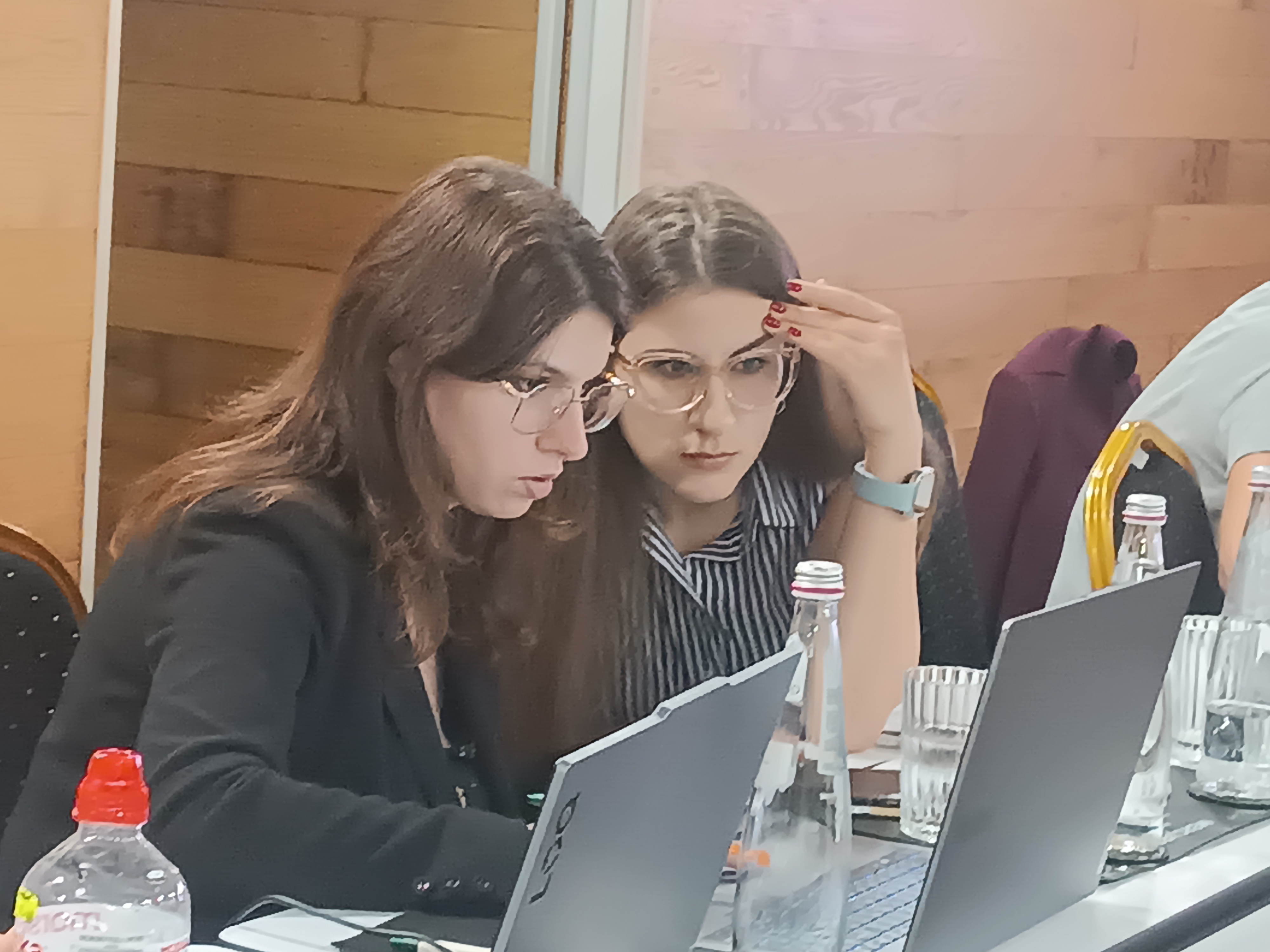
The workshop combined introductions to the tool and its socioeconomic component with practical exercises. SEI trainers provided in-person support, while additional experts joined selected sessions online. Specialists which developed the socioeconomic component, introduced the approach underpinning that analysis.
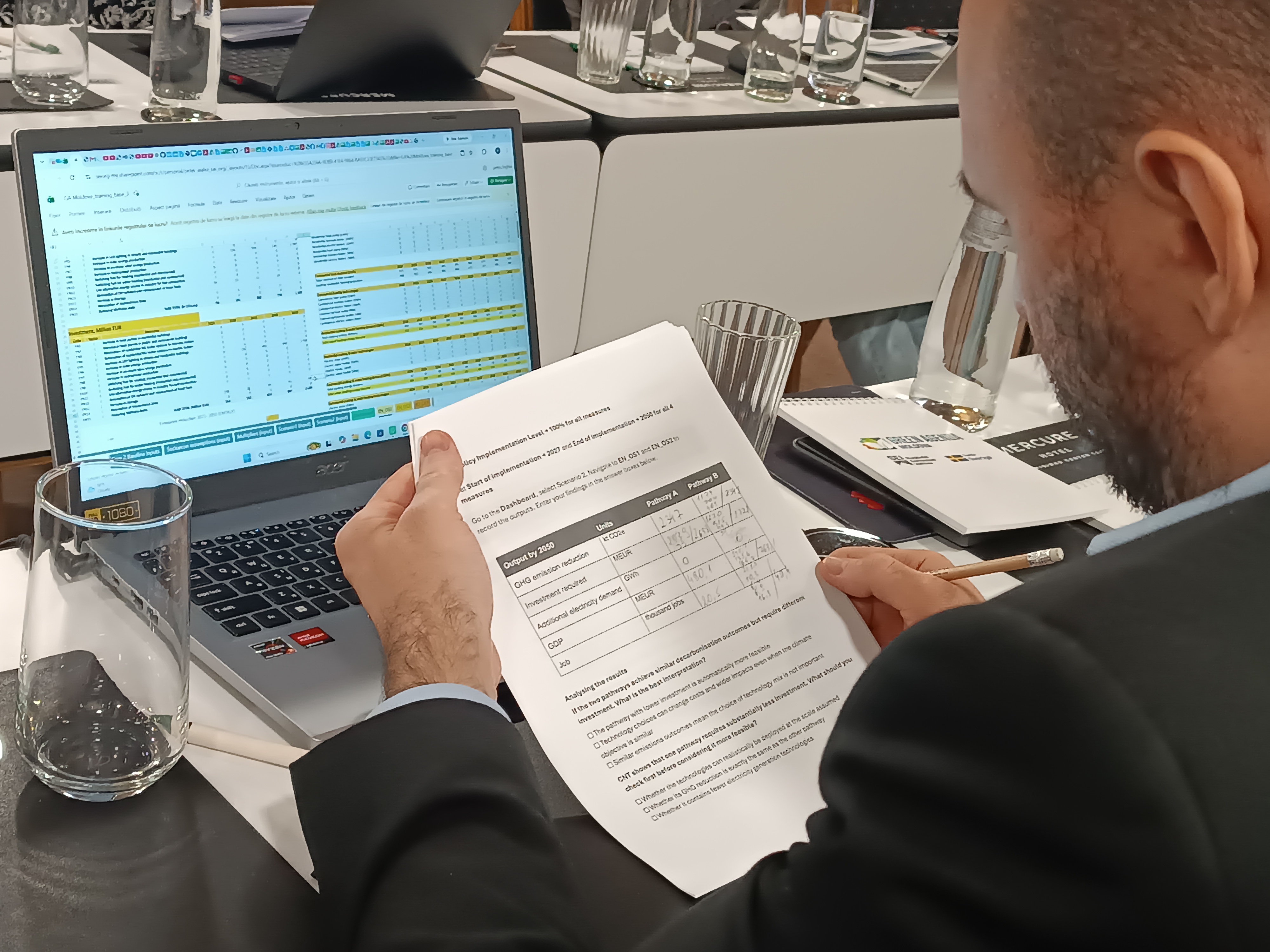
Participants worked with baseline energy data to explore emissions trajectories through 2050 and tested scenarios involving solar power, transport electrification and residential building renovation. A synthesis exercise brought these measures together into a cross-sectoral pathway towards 2035, allowing participants to compare emissions outcomes and investment requirements.
The exercises also demonstrated connections between sectors. Expanding electric vehicle use increases electricity demand, affecting the generation capacity needed to supply it. Renovating buildings, meanwhile, can reduce energy consumption and change investment requirements in the energy sector.
Participants also explored the consequences of falling short of policy targets, examining how implementation gaps could affect energy demand and emissions.
“The climate neutrality tool will be extremely useful for our work at the Ministry. It allows us to build models, make assumptions, and create forecasts for future policies,” said Petru Feghiu, Senior Consultant at Moldova’s Ministry of Energy. “At first, it might look overwhelming with all the data and Excel sheets, but once you start using it, it becomes much easier to navigate and will be an asset for us moving forward.”
Updating data as circumstances change
The CNT includes pre-filled data drawn from Moldova’s National Energy and Climate Plan (2025-2030) and other national and international sources. Users can replace default inputs with updated information, allowing scenarios to reflect new statistics, technological developments and changing policy conditions.
Discussions during the workshop highlighted why this flexibility matters. Participants raised examples involving electric vehicle incentives and afforestation targets, asking how changes in policy or implementation could be reflected in the analysis.
The tool records data sources and quality classifications, helping users identify where stronger national evidence is needed. As with any modelling exercise, results depend on the quality of the inputs and the assumptions used.
Supporting continued national use
The CNT is intended to support the development, assessment and updating of Moldova’s climate and energy policies in the context of the country’s decarbonisation objectives, international climate commitments and European integration process.
A dedicated follow-up consultation with the Ministry of Energy was planned to examine applications relevant to its work, data updates, institutional arrangements for continued use and further technical support. Meetings were also held with UNDP and the Embassy of Sweden in Chisinau.
Through practical training, methodological guidance and continued cooperation, SEI aims to help Moldovan institutions use the tool independently and strengthen the evidence base for the country’s green transition.